- The Gen Creative
- Posts
- OpenAI’s Sora Hits 1 Million Downloads in Record Time
OpenAI’s Sora Hits 1 Million Downloads in Record Time
+ AI-Driven Design Acceleration Reshapes Figma and Beyond


Eric Verdeyen & Maddy Wong
October 17, 2025
The Gen Creative
Today’s Creative Spark…
OpenAI’s Sora Hits 1 Million Downloads in Record Time
AI-Driven Design Acceleration Reshapes Figma and Beyond
I Didn't Snap This Photo at a Coffee Shop — Microsoft's New AI Tool Created It
VSCO Launches AI Lab, the First Photo Platform to Deliver Professional-Grade AI Tools for Photographers
Google’s Nano Banana AI Image Tool Is Taking Over Your Favorite Apps
What if AI could create, edit, and perfect your photos, videos, and designs faster than you can blink, making you question where human creativity ends and machine imagination begins?
Read time: 5 minutes
Video

Source: Getty Images
Summary: OpenAI’s new text-to-video app Sora has reached over one million downloads in less than five days—outpacing the early growth of ChatGPT. Available by invite in North America, the app generates 10-second realistic videos from simple text prompts and has quickly taken the top spot on the U.S. App Store. But while its creative potential is undeniable, its viral rise has reignited debate around copyright, deepfakes, and the ethics of AI-generated likenesses.
Five Essential Elements:
Record-Breaking Launch: Sora reached one million downloads in under five days, making it OpenAI’s fastest-growing app to date.
Text-to-Video Creativity: Users can turn short text prompts into lifelike 10-second videos ready to share across social media.
Cultural Impact: The app has flooded feeds with viral clips, including AI depictions of deceased celebrities and fictional characters.
Ethical Backlash: Critics have raised concerns about digital likeness rights and the use of copyrighted materials in generative video.
Future Direction: OpenAI says it’s developing new tools for rights holders to control likeness use and exploring revenue-sharing models for creators.
Published: October 10, 2025
Design
Source: AI CERTs
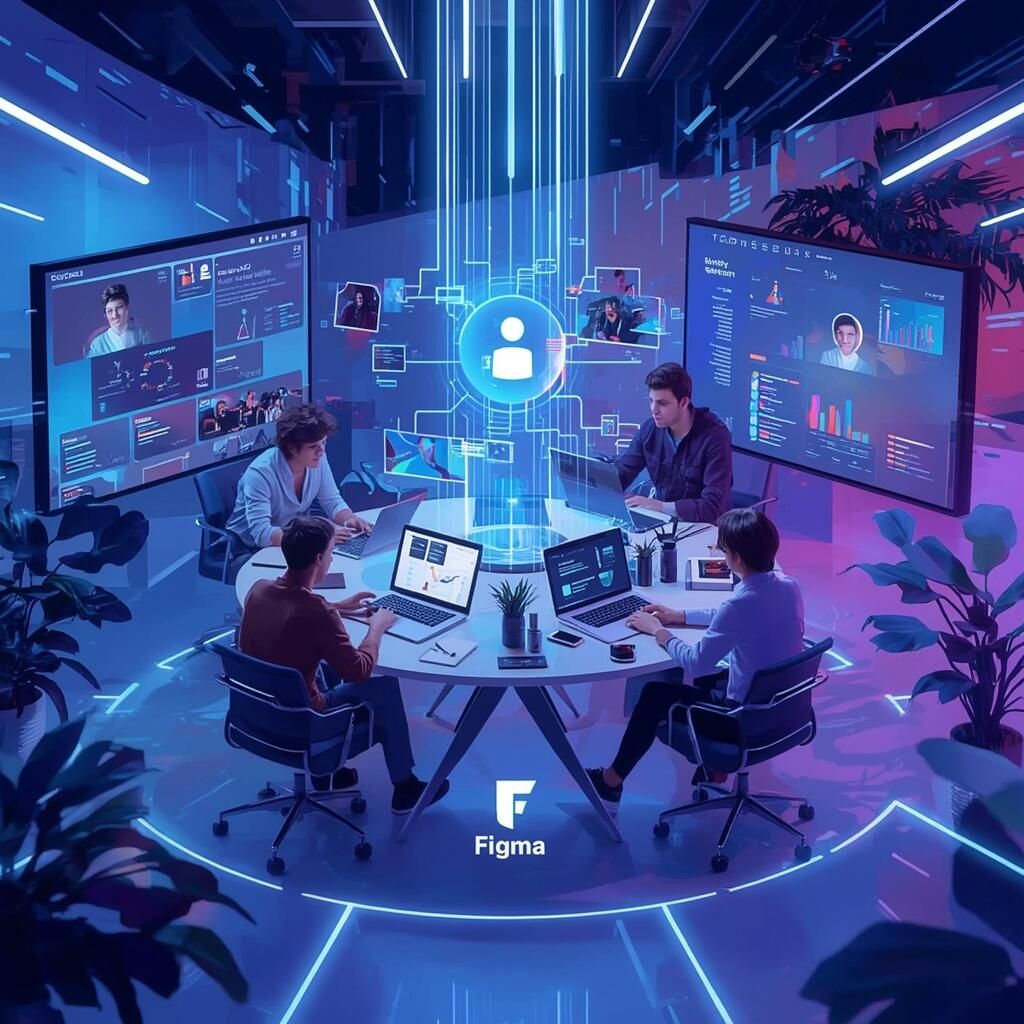
Summary: AI-Driven Design Acceleration is redefining how creative teams work. With Google’s Gemini models now powering Figma, image generation speeds have doubled, allowing designers to move from concept to prototype faster than ever. As AI tools automate manual steps and streamline collaboration, designers are exploring new creative workflows while also adapting to changing standards in security, ethics, and provenance.
Five Essential Elements:
Figma and Gemini Integration: Google’s Gemini 2.5 Flash and Imagen 4 models now drive Figma’s image generation and editing tools, improving creative flow and reducing latency by 50%.
Rise of Agentic Workflows: Designers can now rely on AI agents to handle multistep design processes—from layout planning to code generation—reducing repetitive work.
Faster Collaboration: Real-time AI assistance shortens production cycles and enables quicker feedback between teams and stakeholders.
Evolving Skillsets: Creatives must develop skills in prompt design, data ethics, and AI orchestration to stay competitive in this new landscape.
Balanced Adoption: While speed and creativity improve, new challenges around IP rights, data security, and ethical design demand careful governance.
Published: October 10, 2025
Workflow by The Gen Creative
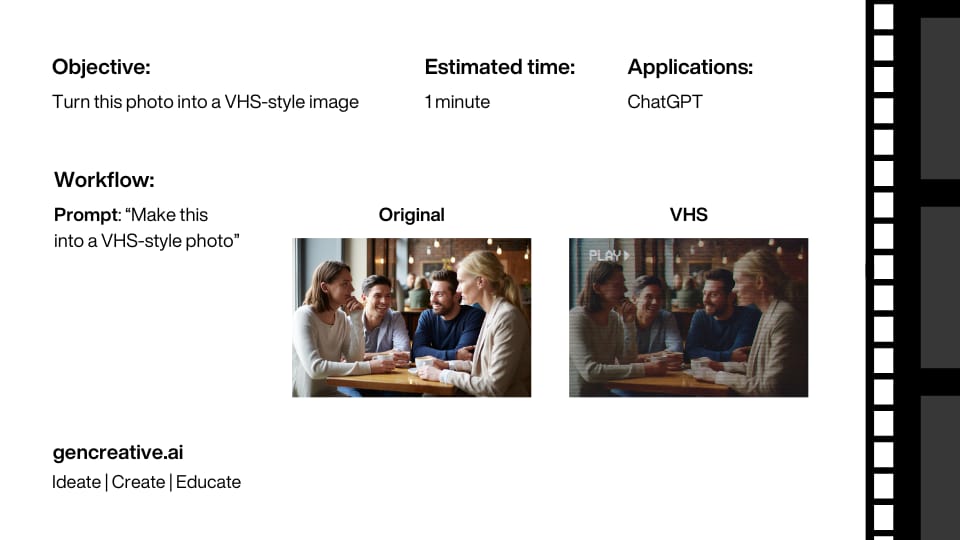
In each newsletter, the Gen Creative team puts together a practical creative workflow so you can get ideas of how to implement AI right away. Want to see more? Check them out here!
Imaging

Source: Microsoft MAI-Image-1
Summary: Microsoft has introduced MAI-Image-1, a new in-house AI image generator capable of producing realistic visuals from text prompts. Currently available for testing on LMArena, the tool allows users to create photorealistic scenes and compare results against other AI models. Unlike Bing Image Creator, which uses OpenAI’s models, MAI-Image-1 represents Microsoft’s push to build its own creative AI stack, following earlier releases of MAI-Voice-1 and MAI-1-preview.
Five Essential Elements:
New AI Image Model: MAI-Image-1 generates photorealistic images with refined lighting, reflections, and textures from simple text prompts.
Testing Platform: The tool is available through LMArena, where users can compare MAI-Image-1’s outputs with other models using “Direct Chat” or “Side by Side” modes.
Creative Feedback: Microsoft says it is gathering insights from artists to reduce repetitive or generic image styles.
In-House Development: This launch is part of Microsoft’s strategy to move AI development away from full dependence on OpenAI.
Future Integration: MAI-Image-1 will eventually be integrated into Copilot and Bing Image Creator, bringing native AI generation directly into Microsoft’s ecosystem.
Published: October 14, 2025
Photography
Source: PR Newswire
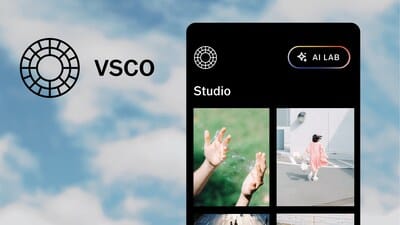
Summary: VSCO has launched AI Lab, a new suite of AI-powered photo editing tools designed specifically for photographers. The first feature, Remove, allows users to erase unwanted elements from images while preserving full resolution and natural texture. Built on Black Forest Lab’s FLUX.1 Kontext model with VSCO’s own enhancements, AI Lab aims to support creative craftsmanship rather than replace it. Upcoming tools like Upscale will enhance image detail and sharpness while maintaining authenticity.
Five Essential Elements:
Purpose-Built AI Tools: AI Lab focuses on assisting photographers with natural, high-quality image edits.
First Feature — Remove: Enables clean object removal while keeping original photo integrity and full resolution.
Upcoming Feature — Upscale: Will improve resolution and detail without distorting composition or color.
Human-Centered Design: Developed for photographers who value craft, offering brush and lasso tools for intuitive editing.
Pro Access: Available in VSCO Studio for iOS to VSCO Pro members, including unlimited AI editing and over 200 professional presets.
Published: October 15, 2025
Imaging

Source: Android Central
Summary: Google’s Nano Banana, a playful name for a serious AI image generator, is now appearing across major Google products. Once limited to Gemini, it’s expanding into NotebookLM, Search, and soon Google Photos, allowing users to generate, edit, and enhance visuals directly within these tools. Nano Banana enables creative workflows like turning notes into narrated video summaries or editing photos through Lens. Its Gemini 2.5 Flash Image model powers precise edits while maintaining subject consistency and embedding transparent watermarks through SynthID.
Five Essential Elements:
Cross-Platform Expansion: Nano Banana is now integrated into NotebookLM, Search, and soon Google Photos.
Creative Control: Users can generate visuals in styles such as Watercolor, Anime, and Retro Print.
Smart Editing: Google Lens’ new Create mode lets users instantly modify photos using Nano Banana.
Technical Edge: Built on Gemini 2.5 Flash Image, it preserves realism and subject consistency.
Transparency and Safety: All outputs include visible and invisible watermarks via SynthID.
Published: October 14, 2025
Remote Creative Jobs
5 Remote Startup Creative Jobs
Video Editor Intern: Edit and adapt videos for digital platforms across health and wellness brands.
Concept Artist: Design concept art for RuneScape: Dragonwilds, shaping the game’s visual style and world.
Graphic Designer: Design marketing visuals to enhance Outreach’s brand storytelling across digital and print.
Brand Designer: Create and maintain Fieldguide’s visual identity across marketing and digital assets.
Interior Design Intern: Design sustainable, nature-inspired interiors for Oxygen Conservation’s ecotourism properties.
See you next time!
Creative work balances vision and detail. 🖌️🎧 AI helps with the details—framing images, balancing audio, tightening text. 🖼️🎛️✍️ Quiet, consistent support, leaving room for the bigger ideas. 📸🎙️📑
How did you like it?
We'd love to hear your thoughts on today’s Creative Spark! ✨ Your feedback helps us improve and tailor future newsletters to your interests. 📝 Please take a moment to share your thoughts and let us know what you enjoyed or what we can do better. 💬 Thank you for being a valued reader! 🌟
Keep Reading
AI presentation tools like Claude, ChatGPT, Gemini, and Grok are streamlining slide design by generating layouts, color schemes, and animations from simple notes. ChatGPT produces cohesive designs with minimal editing, Gemini offers strong animations but inconsistent layouts, Claude provides functional slides needing refinement, and Grok focuses on basic, quick results. While these tools automate much of the creative process, human input remains essential for polish, accessibility, and balance. As exporting and customization options expand, AI-assisted presentations are becoming faster to produce and easier to share without compromising professionalism.
AI creativity tools are opening new ways for users to explore personalization and entertainment without technical barriers. Platforms like AI Kissing Video Generator and Baby Face Generator use deep learning to analyze facial structures, emotions, and expressions, turning simple uploads into realistic videos or predictive visuals. These free, browser-based tools highlight how AI is shifting from productivity to play, letting users generate cinematic moments, fun social content, or personalized images in seconds. As algorithms grow more intuitive, 2025 marks a turning point where AI creativity becomes both accessible and deeply human in expression.
AI image upscalers are transforming how designers, photographers, and creators enhance visuals by using deep learning to reconstruct missing details, sharpen textures, and restore realism. Tools like Topaz Gigapixel AI, Let’s Enhance, and VanceAI apply neural networks to rebuild fine details such as skin texture, lighting, and tone, while browser-based options like Upscale.media make instant enhancement accessible to anyone. These next-generation models not only upscale images but also refine color, depth, and contrast for both photos and videos. As 2025 tools continue to integrate context-aware reconstruction, AI upscaling is set to redefine visual clarity, making professional-grade results achievable in seconds.