- The Gen Creative
- Posts
- Google’s Next AI Trick Might Make You Go Viral
Google’s Next AI Trick Might Make You Go Viral
+ Instagram Stories Is Getting New AI-Powered Editing Tools


Eric Verdeyen & Maddy Wong
October 24, 2025
The Gen Creative
Today’s Creative Spark…
Google’s Next AI Trick Might Make You Go Viral
Instagram Stories Is Getting New AI-Powered Editing Tools
I Rescued This Photo Using Nano Banana: How to Salvage an Image with Google’s AI Tool
Why Spotify Is Partnering With Labels for AI Music Products
This AI Tool Could Speed Up One of the Most Awful Parts of 3D Modelling
What if AI could turn selfies into memes, restore photos, speed up 3D modeling, and help you create music ethically while leaving your creativity fully intact?
Read time: 4 minutes
Photography
Source: Phone Arena
Summary: Google Photos is preparing to launch a new AI feature called “Me Meme” (possibly “Meme Me”) that turns user selfies into popular meme templates. Discovered in version 7.51.0 of the app, the tool will appear in the Create tab alongside features like Animation and Photo to Video. Using generative AI, it inserts a user’s face into recognizable memes such as “This is fine.” While the feature hasn’t rolled out yet, it reflects Google’s continued experimentation with AI tools to keep Photos engaging in a social media environment increasingly influenced by generative content.
Five Essential Elements:
New AI Feature: “Me Meme” lets users turn selfies into meme templates.
Integration: Located in the Create tab with other creative tools.
AI Processing: Uses generative AI to blend faces into meme designs.
User Guidance: Works best with clear, well-lit selfies.
Gradual Rollout: Expected to launch first in the US before expanding globally.
Published: October 23, 2025
Social Media
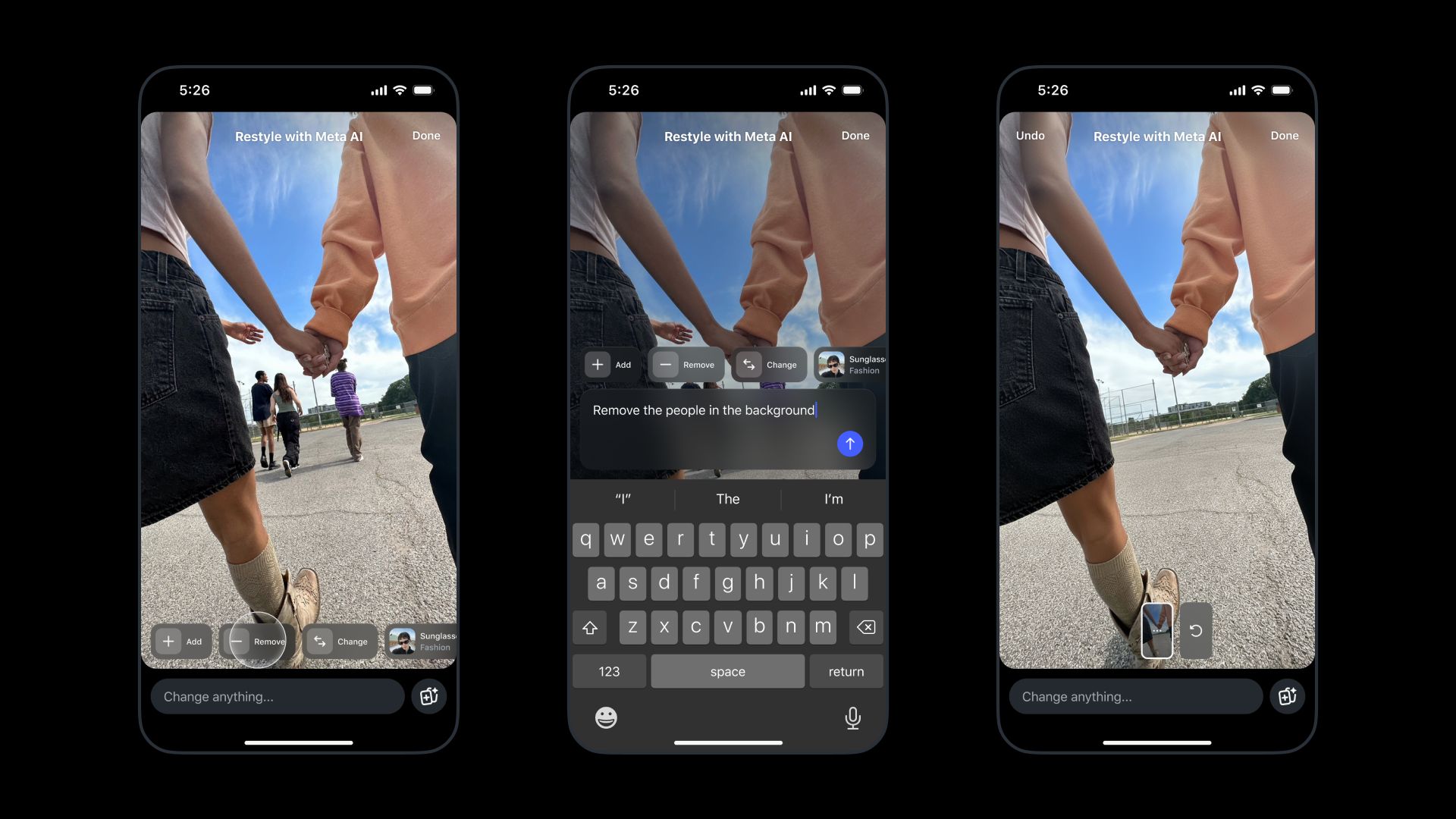
Source: Meta
Summary: Instagram is introducing AI-powered editing tools to its Stories feature, allowing users to modify photos using text-based prompts. The new “restyle” menu lets creators add, remove, or change specific elements within an image and even completely transform its visual style. Users can make quick edits such as changing backgrounds or outfits, or apply preset filters like anime, watercolor, or 8-bit. Meta is also testing AI restyle effects for text in Stories, offering more creative flexibility beyond the standard font options. These updates make AI-driven visual customization easier and more integrated into everyday storytelling on Instagram.
Five Essential Elements:
AI Integration: Users can edit photos with text-based prompts inside the Stories editor.
Restyle Menu: Offers options to add, remove, or change image elements.
Creative Presets: Includes full-image effects like anime, watercolor, and 8-bit styles.
Text Customization: AI can transform text appearance for unique visual effects.
Enhanced Accessibility: Features are built directly into Stories, encouraging user creativity and sharing.
Published: October 23, 2025
Workflow by The Gen Creative
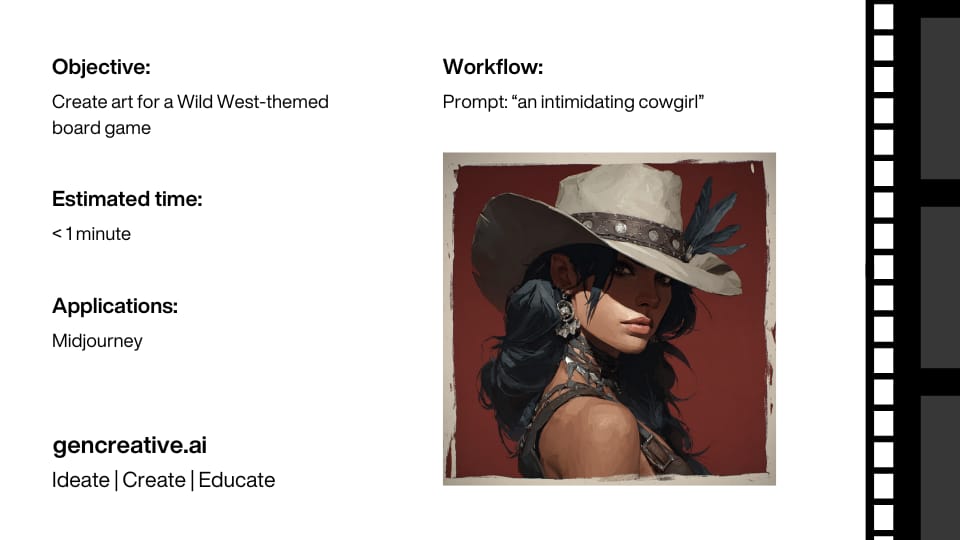
In each newsletter, the Gen Creative team puts together a practical creative workflow so you can get ideas of how to implement AI right away. Want to see more? Check them out here!
Photography
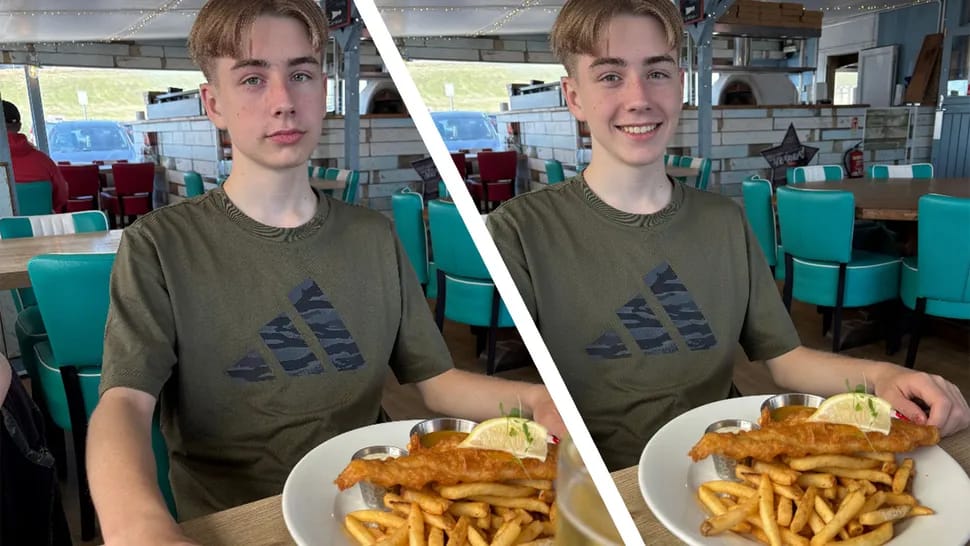
Source: Tech Radar
Summary: Google’s Gemini AI, featuring the Nano Banana image editor, is redefining how photographers and everyday users fix imperfect photos. Instead of relying on complex editing software, users can upload an image directly into Gemini, describe what they want changed, and let the AI handle the rest. Whether it’s sharpening focus, fixing closed eyes, or removing unwanted objects, Nano Banana preserves the natural look of the photo while improving specific elements. It’s a fast, intuitive, and free way to restore moments that might otherwise be lost.
Five Essential Elements:
Natural Language Editing: Users simply describe the edit they want — no technical skills needed.
Smart Precision: Nano Banana adjusts specific areas while keeping the rest of the photo intact.
Quick Processing: Edits are generated within seconds for instant results.
Authentic Results: The AI maintains realistic tones and details without over-editing.
Free Access: Available within Gemini, making professional-quality photo repair accessible to all.
Published: October 23, 2025
Music
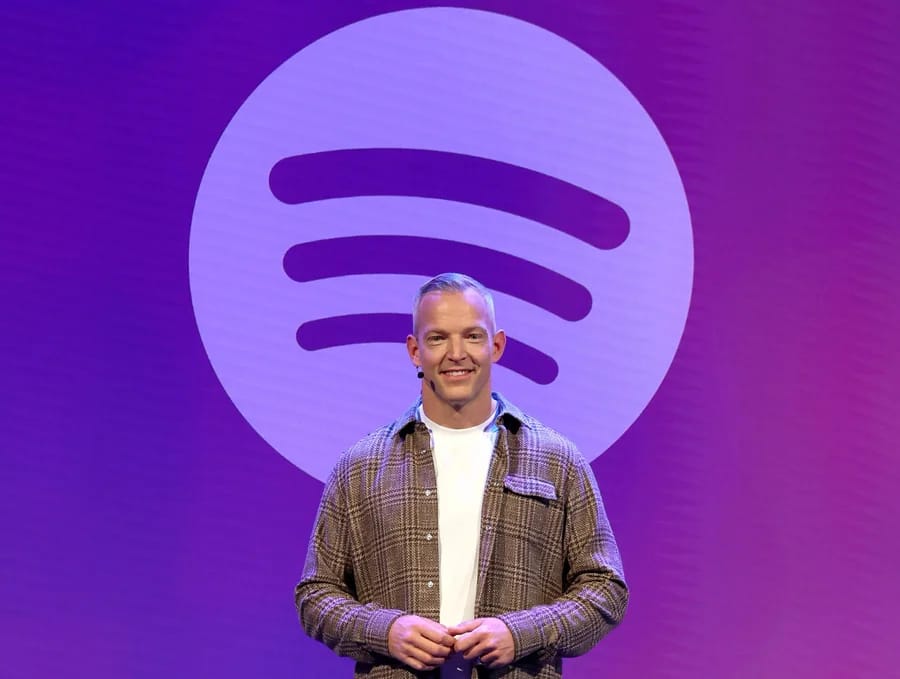
Source: Getty Images
Summary: Spotify is partnering with major record labels including Sony Music, Universal Music Group, and Warner Music to develop AI-powered music creation tools that prioritize artists’ rights and fair compensation. Rather than training AI models on copyrighted material without permission, Spotify is licensing music directly, aiming to build transparent, ethical systems for generative music. The new tools will allow artists to choose whether to participate while ensuring they are credited and paid for their contributions. The move signals Spotify’s effort to align technological innovation with artistic integrity and reshape how AI supports music creation, discovery, and fan engagement.
Five Essential Elements:
Ethical AI Development: Spotify licenses music rather than scraping copyrighted material.
Artist Consent: Musicians can opt in or out of AI training and generation tools.
Fair Compensation: Artists and rights holders receive payment and proper credit for use of their work.
Collaborative Innovation: Major labels and distributors like Merlin and Believe join the initiative.
Future of Music Creation: Spotify aims to make AI a supportive creative tool, not a replacement for artists.
Published: October 20, 2025
3D Design
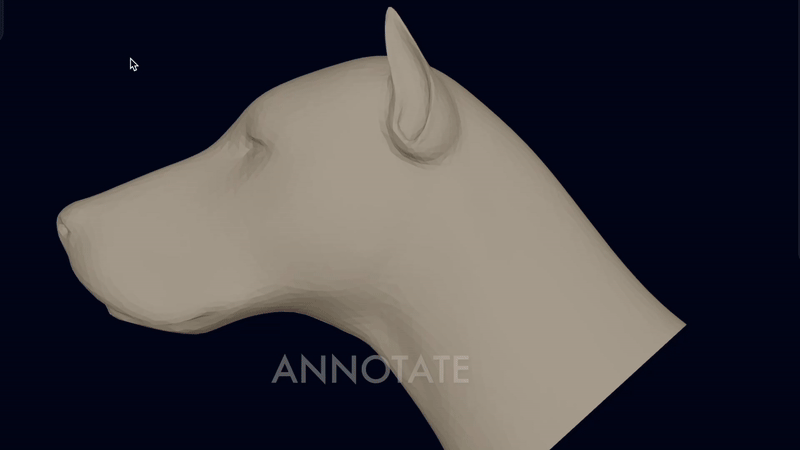
Source: LinkedIn
Summary: Tractive AI is a new non-generative tool that automates one of 3D modelling’s most tedious tasks — retopology. Currently in beta, Tractive helps artists clean up and optimise meshes for animation and games without altering creative control. Unlike generative AI models that raise ethical concerns, Tractive simply streamlines the technical side of production, allowing artists to focus on sculpting, texturing, and creativity. The tool offers precise edge-loop control, prevents topology spirals, and doesn’t collect data unless users opt in. Artists online are welcoming it as “the kind of AI that actually helps,” transforming a painful process into a time-saving workflow improvement.
Five Essential Elements:
Non-Generative AI: Focuses on automation, not content generation or replication.
Faster Retopology: Streamlines mesh cleanup for animation and gaming workflows.
Artist Control: Offers guide-based control similar to ZBrush but with more flexibility.
Positive Reception: Artists praise it for improving workflows without replacing creativity.
Ethical Use: No data collection without user consent; opt-in per-model data sharing.
Published: October 23, 2025
Remote Creative Jobs
5 Remote Startup Creative Jobs
Poker Video Creator Create fun, poker-themed short videos for WPT Global’s social channels.
Senior Graphic & 3D Motion Designer: Create 2D/3D motion graphics and visuals for global campaigns.
UX Writer / Content Strategist: Create UX copy and content strategies that are clear, consistent, and user-focused.
Junior Video Editor: Edit videos and create compelling narratives for a creative agency’s projects.
AI Creative Specialist: Create AI-driven ad workflows for MGID’s image, video, and text content.
See you next time!
Creative projects move between vision and detail. 🧑💻🎨 AI can handle some of the details—cropping visuals, leveling audio, refining text. 🖼️🎛️📝 By taking care of small steps, it keeps the workflow smooth and steady. 📸🎧📄
How did you like it?
We'd love to hear your thoughts on today’s Creative Spark! ✨ Your feedback helps us improve and tailor future newsletters to your interests. 📝 Please take a moment to share your thoughts and let us know what you enjoyed or what we can do better. 💬 Thank you for being a valued reader! 🌟
Keep Reading
Meta AI’s mobile app saw a sharp rise in users following the launch of its “Vibes” feed, which features short-form AI-generated videos. Data from Similarweb shows daily active users on iOS and Android grew from about 775,000 to 2.7 million in four weeks, while daily downloads increased to 300,000 from under 200,000 earlier in the month. The September 25 release of the Vibes feature aligns with this growth, suggesting it drove higher engagement. Analysts also point to OpenAI’s invite-only Sora app as a possible factor, with users turning to Meta’s more accessible alternative. As of mid-October, Meta AI’s global daily users were up 15.6%, while ChatGPT, Grok, and Perplexity each saw modest declines.
Spotify announced a partnership with major and independent music companies to develop “responsible” AI music products focused on artist collaboration, fair compensation, and new creative tools. The company is building a generative AI research lab and product team, with plans to onboard more rightsholders over time. Beyond responsible AI principles, Spotify hinted at “wholly new revenue streams,” suggesting future AI-driven features or subscription tiers such as “Superfan” or “Music Pro.” The emphasis on artist-fan connection points toward interactive or personalized experiences that could deepen engagement. Major labels quickly endorsed Spotify’s approach, signaling that licensing and revenue-sharing frameworks may already be in place for upcoming AI-powered offerings.
In her latest “Link Rot” column, Shanti Escalante-De Mattei explores how artists and animators are grappling with the rise of generative AI, caught between viewing it as a creative tool or a threat to their livelihoods. While some creators, like Eline van der Velden, frame AI as a new “paintbrush,” many working artists argue that its deployment by clients and studios often devalues their labor and compresses timelines. Animators such as Sam Mason and Saad Mosajee note that AI-generated references and unrealistic expectations are reshaping workflows, often without ethical accountability for how training data was sourced. Others, like Isaiah Saxon, believe AI could one day serve artists if designed to complement physical and creative practices rather than replace them. For now, many artists occupy a messy middle ground, adapting to industry pressures, selectively experimenting with AI, and holding onto traditional methods that preserve the joy and craft of creation.